
Due Process vs. The Snapshot Society
Why judging people from frozen moments is like trying to understand jazz from a single note

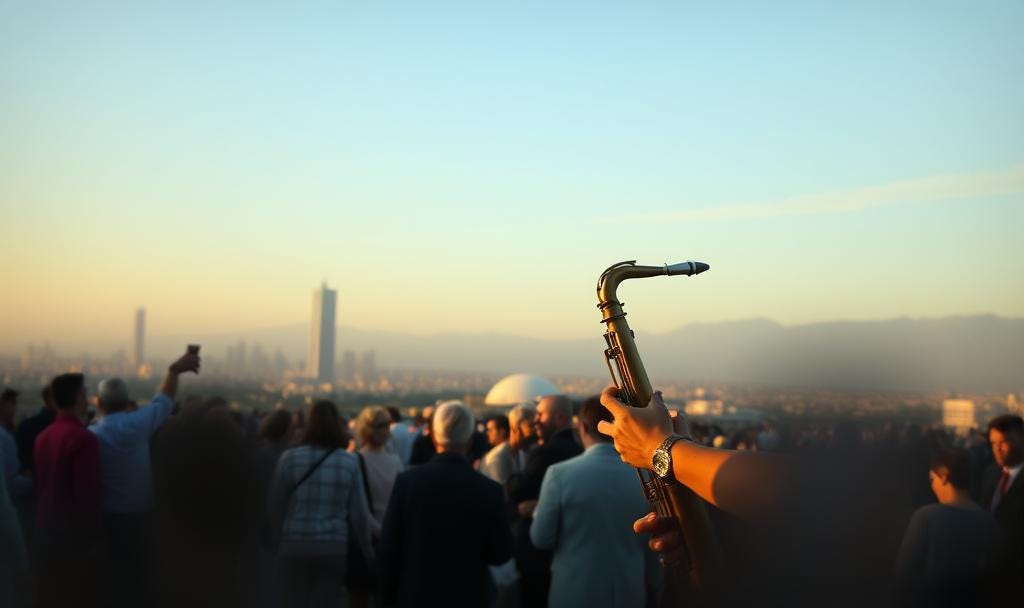
We live in the age of the screenshot. One bad moment captured forever. One awkward photo. One unfortunate tweet from 2009. We've become Olympic-level judges of human character based on evidence that wouldn't convict someone of jaywalking.
Here's the thing about snapshots: they lie by omission.
The Courtroom vs. The Comment Section
Due process isn't just legal jargon—it's civilization's homework assignment on how to judge fairly. While Twitter decides your fate in 0.3 seconds, actual courts take months. This isn't bureaucratic slowness; it's radical sanity.
What due process actually requires:
Time to gather facts (not just reactions)
Multiple sources of information
The right to respond and explain
Systematic evaluation, not gut feelings
Proportional consequences
What snapshot judgment gives us:
Instant conclusions
Single-source "evidence"
No right of reply
Mob psychology as decision-maker
Life-destroying punishments for minor infractions
The Security Camera Paradox
Picture this: Security footage shows someone running from a store. The snapshot screams "thief."
Due process asks inconvenient questions: What happened five minutes earlier? Was this person chasing someone who stole their wallet? Were they rushing to a medical emergency? Did they just realize they left their phone at the counter?
The snapshot gives you a criminal. The process might give you a Good Samaritan.
Why We Love Bad Evidence
Humans evolved to make quick survival decisions. Tiger in bushes = run now, think later. This worked great for 200,000 years until we invented social media and decided to apply caveman reflexes to complex social situations.
Now we see someone having their worst day and conclude it's their best behavior.
The Process Paradox
Here's the irony: Due process often reveals that the "obvious" villain is actually the victim. The "clear-cut" case becomes complicated. The black-and-white world turns frustratingly gray.
This drives us crazy. We want justice to be simple, obvious, and fast. We want villains who look like villains and heroes who shine in perfect lighting.
Due process says: "Sorry, reality is messier than your Netflix series."
The Stakes Are Real
When we judge from snapshots, we're not just being unfair—we're being stupid. We destroy reputations over misunderstandings. We end careers over bad days. We turn recoverable mistakes into permanent exile.
The person you're judging from their worst moment? They're probably judging you from yours too.
A Modest Proposal
Before you join the next public execution by screenshot, ask yourself:
What don't I know about this situation?
What would I want people to know about my worst moment?
Am I responding to facts or my feelings about facts?
Would this evidence convince me if it were about someone I love?
Due process isn't about letting bad people off the hook. It's about making sure we're actually catching bad people instead of unlucky ones.
In a world obsessed with instant everything, maybe the most radical act is taking time to think.
Your move, internet.
The author has made approximately 47,000 mistakes in their lifetime and is grateful most weren't photographed.
//Peace Love and Respect